

Cat flaps for the door made of composite are a popular choice for homeowners. They provide a secure entrance for your pet. It also reduces the chance of unwanted critters infiltrating your home.
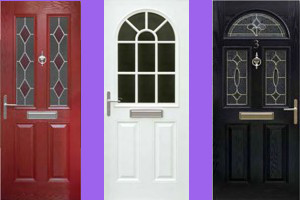
However, adding a cat flap your composite door requires experience and knowledge of the door's construction. Any structural changes can compromise the integrity of the door and affect its thermal performance.
Install a cat flap on a composite door
A cat flap permits your pet to leave the house without letting any other animals or cats inside. It also helps reduce heating costs by stopping drafts. However, you need to be cautious when adding one to a composite door as it's not as easy as fitting it into a traditional wood or uPVC door. These doors are designed to be stronger and weatherproof than conventional doors. Making changes yourself can cause damage and invalidate the warranty.
To avoid structural damage or damage to the composite door, it is important to use precision tools and have a professional install the cat flap. Professional installers employ routers and special hole saws to make the exact opening required to accommodate the cat flap without compromising the integrity or structure of the door. They also take into consideration factors like the thickness of the door, its composition, and reinforcement to ensure that the installation is secure and smooth.
Follow the directions that are provided by the manufacturer when installing a cat flap. They will give you the required information including what tools to bring along. You'll have to mark the screw holes in the composite door in which you will install the cat flap. You can then cut the holes using the jigsaw or another tool similar to it. Once the hole is cut to be cut, you can place the cat flap and make sure the screws are tightened.
A composite door is an innovative solution for homeowners seeking security, durability and efficiency. The addition of the uPVC composite door with a cat flap can ensure your home is secure and safe, while allowing your pet to roam around freely. It's possible to retrofit the uPVC cat flap, but this could affect the integrity of your door and decrease insulation.
A composite door is constructed with an outer layer of strength that is bonded to a soft insulating polystyrene inner layer that is extremely durable and weatherproof. Cutting into this material can weaken the door and reduce its strength and performance. Therefore professionals should be employed to make any changes to a composite door to avoid costly repairs and maintenance in the future.
Bespoke solutions
The addition of a cat flap to a composite door requires careful consideration considering that these doors are made for durability and security. Any alterations made to these doors could compromise their structural integrity, voiding their warranty. Homeowners should always employ a professional installer if they can. It is best to discuss the cat flap installation options prior to purchasing the door. This will permit a custom opening to be integrated into the manufacturing process. This will also ensure that the door's aesthetics and weather resistance are not compromised.
Retrofitting is an option for homeowners with a composite front door and would like to add a cat-flap. It is important to consult with a professional installer before attempting this task, as the structure of the door could be compromised when any cutting is made. This could lead to rot, leakage of water, and other issues. There are solutions to this issue such as bespoke pet doors that allow installation in the composite door without altering the structural integrity of the door.
These bespoke pet doors are constructed from durable materials and feature an electronic cat flap that syncs to your pet's microchip, collar key or collar which blocks other pets from gaining access. The doors are also draughtproof and close silently to keep your pet safe from outside elements. The doors are available in a variety of sizes to accommodate cats as well as small dogs.
For cat flap installers near me who have experience installing a cat flap into a composite or uPVC is a straightforward task. If you have a glass door, like one made of glass is more difficult. They may also have decorative protrusions or tongue and groove boards. You will need to take special care. In addition, you'll have to protect the door from rainwater and use the sealant in case it is required.
Retrofitting
The cat flap trend is growing in popularity and is a great method to give your pet the freedom it deserves. Cats are prone to going out whenever they desire, and it's great to let them out without you having to open the door. It's also a good way to prevent draughts from entering your home.
If you are looking to improve the durability, security and aesthetic appeal of your composite doors, adding an additional cat flap is a great idea. The process is complicated and could require assistance from a professional. This is due to the fact that the process involves cutting into the door, which requires precision tools to ensure the structural integrity.
In general a composite door is constructed from layers of timber compressed or hardened foam that is sandwiched with a fibreglass skin. Therefore, it's not as easy to cut like a traditional timber door. In some cases, making alterations to the composite door could affect its performance overall and could result in damage and water leaks. If you're planning to install a cat flap into a composite door, it is recommended that you consult an expert joiner to minimize the potential risks.
Despite the difficulty of cutting through a composite door, it's possible to cut it. There are a variety of methods you can use, but it is important to choose an expert installer who has experience with composite doors. This will ensure that the job is done correctly and that your home’s structural integrity and security are not compromised.
Before installing a cat flap on your composite door, you must first ensure that the door is big enough for your pet to pass through. Verify that the door seal is still in place to prevent rain from leaking into your home. Once you've completed this, you'll be capable of purchasing an animal flap.
If you're uncomfortable installing a cat flap on your own You can always opt for an electronic cat flap. They are more expensive, but they can prevent draughts from entering your home. An electronic cat flap has the advantage that it can be programmed to ensure that only certain individuals or pets are allowed to enter your home. This is a safer choice for households where pets and children reside.
Cutting into a composite door
When installing a cat flap on the composite door, it is crucial to choose the right tools and techniques. This will ensure that the cat flap is secured in a proper way, fits properly, and provides an watertight seal. It's also an excellent idea to use an adhesive around the opening to help stop rainwater from entering the wood and creating rot.
First mark the area with a pencil where the cat flap will be put in. Then you can use a jigsaw to cut out the area for the flap. It is best to remove a small amount of material at a time and check the fit often to ensure that there aren't any gaps. After the hole has been cut, it is a good idea to employ a sandpaper or file to smooth the edges of the opening. You can then use the jigsaw to cut an opening at the bottom of the hole, where the flap will be positioned. This will reduce the chance of the flap sticking into the room and causing noise when it is being used.
Before you begin fitting the flap, be sure that there aren't any electric cables or pipes (gas, water, etc) in the area you'll be cutting into the door. It's also a good idea especially for uPVC and composite doors, to make sure that the wall is fully solid prior to making any cuts.
If you're planning to install a new cat flap to your composite door, it's advisable to consult with a professional prior to starting work. These experts can analyze the door's construction in composite and select the most appropriate method to create an opening that is custom-made without damaging the strength of its structure. They can also offer guidance on how to set up an elegant cat-flap to match the style of your home's door.
Pet Flaps UK is the company you should contact if you are looking to install a cat flap onto your composite door. Their team of experts can complete the task effortlessly and make it simple and quick for both you and your pet.